Exploring the World of Monopoly: A Deep Dive into the Classic Game
The Origin of Monopoly
Monopoly is more than just a board game; it is a cultural phenomenon that has captivated millions worldwide. The game's history is almost as intriguing as its gameplay. It all began in the early 20th century when Elizabeth Magie came up with a board game concept titled 'The Landlord's Game' in 1903. Her idea was to illustrate the economic consequences of land monopolism and the use of land value tax as a solution. Little did she know that her creation would eventually evolve into the global sensation we know as Monopoly.
In the 1930s, Charles Darrow, unemployed during the Great Depression, refined Magie's concept and created what would become the Monopoly we recognize today. Darrow's version struck a chord, leading to Parker Brothers purchasing the rights in 1935. This marked the beginning of the game's widespread distribution, and it soon became a staple in American households.
The Mechanics of Monopoly
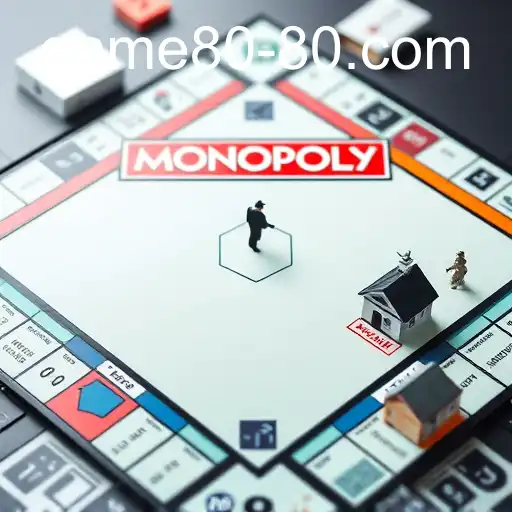
The appeal of Monopoly lies in its blend of chance and strategy, making each game an unpredictable journey. The game is designed for two to eight players, each racing to accumulate wealth through buying, renting, and selling properties. Players navigate the board using dice, encountering a mix of luck-based and strategic decisions.
Key components of the game include properties, houses, hotels, and utility spaces. Properties are divided into color groups, and owning an entire group allows players to build houses and hotels, exponentially increasing rent fees. This mechanic introduces a layer of strategy as players must decide which properties to invest in and when to trade with others.
Monopoly also includes chance and community chest cards, which introduce elements of unpredictability. Whether it's winning a cash prize or paying an unexpected tax, these cards can drastically alter the game's course, keeping players on their toes.
Strategy and Skills
Although Monopoly is partially luck-based, strategic skill is crucial for long-term success. Savvy players focus on acquiring complete property sets to monopolize and upgrade with houses and hotels. Negotiation plays a significant role, as trading properties can either make or break alliances, adding depth to the player interaction.
Understanding the probability of landing on certain spaces can also influence decision-making. Maximizing the value of investments and minimizing liabilities, like mortgages, requires careful planning. For instance, the orange and red color group properties are statistically more advantageous due to their proximity to 'Go to Jail' spaces, enhancing the likelihood of other players landing on them.
The Impact on Society
Monopoly has transcended being merely a board game, impacting culture, economy, and education. Its concepts engage players with real-world economic principles such as investments, capital risks, and market monopolization. As a result, it has been used as an educational tool to teach economics and financial literacy across various settings.
The game has also made its mark in popular culture, spawning countless themed editions that incorporate elements from movies, television shows, and iconic places. These editions resonate with diverse audiences, expanding the game's appeal beyond traditional board game enthusiasts. Furthermore, Monopoly tournaments have fostered communities worldwide, highlighting the competitive nature and social aspect of the game.
The Digital Evolution
With the advent of digital technology, Monopoly has seamlessly transitioned into the digital realm. Mobile apps, video games, and online platforms offer new ways to experience the classic game. This evolution has expanded the game's reach, allowing players to engage globally and introducing variations that the physical version could not.
Digital adaptations often include interactive features, such as leaderboards, customizable boards, and multiplayer capabilities, enhancing user experience. This shift to digital platforms ensures that Monopoly remains relevant in the ever-changing landscape of gaming, bridging generations through modern technology.
Remaining Relevant with Variants
To keep up with changing times, Monopoly has introduced numerous themed variants. These variants range from city-specific editions to those based on popular franchises like Mario and Game of Thrones. Each edition incorporates unique elements while maintaining the core mechanics, attracting both collectors and fans of the themes featured.
Moreover, Monopoly spin-offs, such as Monopoly Deal and Monopoly Junior, provide alternative experiences that are quicker and tailored to different age groups, ensuring accessibility to all ages. These variants reflect Monopoly's ability to adapt without losing its essence, expanding its appeal to wider demographics.
Final Thoughts
Monopoly, with its rich history and dynamic gameplay, continues to be a beloved pastime. Its versatile nature and the importance of strategy, negotiation, and social interaction within the game resonate with players of all ages. Whether in a traditional or a digital format, this classic board game remains a symbol of enduring entertainment and complex simplicities of market dominance and strategy. As we delve into the world of Monopoly, we are reminded of the timeless appeal of a game that not only entertains but educates on fundamental economic principles, truly embodying its role as a staple of game80 culture.